
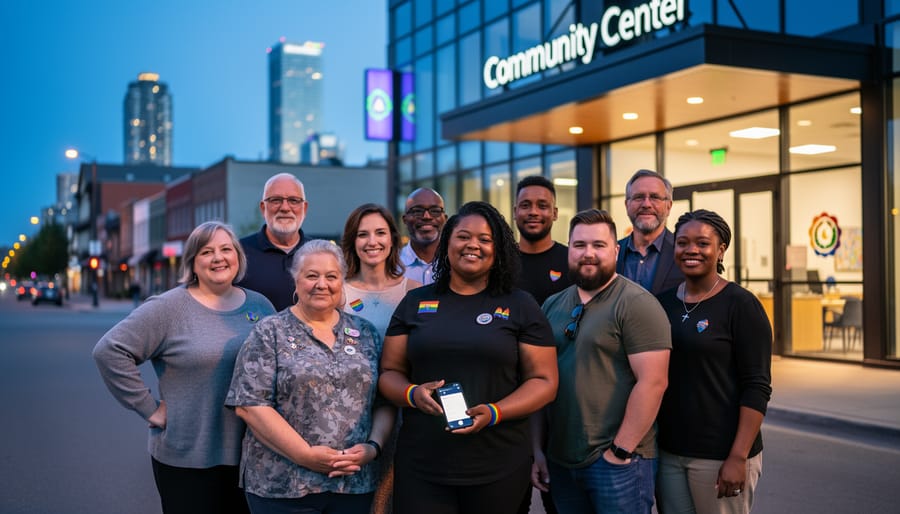

Online gambling can feel like a safe escape, but for LGBTQI+ players in Calgary and beyond, it carries unique risks that often go unaddressed. Discrimination, social isolation, minority stress, and limited access to affirming mental health care can make responsible gambling practices harder to sustain and problem gambling harder to recognize. When you play crypto games at Moonbet or any platform, understanding how these community-specific vulnerabilities intersect with gambling behavior is the first step toward protecting your well-being.
This isn’t about stigma. Research shows LGBTQI+ individuals experience higher rates of problem gambling compared to the general population, not because of who we are, but because of the stressors we face. Casinos and online platforms aren’t always safe spaces either. Many lack inclusive policies, and few gambling support services explicitly train staff in LGBTQI+ competence. That gap matters when you’re seeking help.
The good news? Responsible gambling tools work, especially when paired with community-affirming resources. Setting deposit limits, recognizing early warning signs, and knowing where to find support that understands your lived experience can transform your relationship with online gaming. This guide walks you through the science behind LGBTQI+-specific risks, practical strategies to gamble safely, and where to turn in Calgary when you need help. You deserve to enjoy online casinos without sacrificing your mental health or financial security.
Why Responsible Gaming Matters for Our Community

Living as an LGBTQI+ person means navigating a world that isn’t always designed with us in mind. That reality shapes everything from where we feel safe to how we manage stress, and it includes the ways some of us engage with online gambling.
Research consistently shows that LGBTQI+ individuals experience higher rates of mental distress anxiety, and depression compared to the general population. This isn’t because of who we are, it’s because of what we face: discrimination, family rejection, workplace bias, and the constant low-level vigilance of existing in spaces where acceptance isn’t guaranteed. That chronic stress, what researchers call minority stress, takes a real toll.
When you’re carrying that weight, gambling can seem like an appealing escape. The bright lights, the promise of a win, the momentary distraction from everything else, it offers a break. For some, it becomes a way to numb difficult feelings or reclaim a sense of control when other parts of life feel uncertain. Online casinos make that escape incredibly accessible, available 24/7 from the privacy of your phone or laptop.
The connection between mental health and gambling behavior matters because it can create a cycle. Gambling to cope with stress can lead to losses, which create more stress, which drives more gambling. Studies also show higher rates of substance use in LGBTQI+ communities, and combining alcohol or other substances with gambling significantly increases risky behavior. These aren’t moral failings; they’re understandable coping strategies that sometimes develop in response to a world that hasn’t always been kind.
Here’s the thing: understanding these patterns isn’t about reinforcing stereotypes or suggesting our community is broken. It’s about honoring the reality that our experiences shape our vulnerabilities, and that awareness is the first step toward making choices that serve us. Responsible gambling, at its core, is an act of self-care and community care. It’s recognizing when recreation crosses into harm and knowing you deserve better than chasing losses to fill a void.
Recognizing the Warning Signs
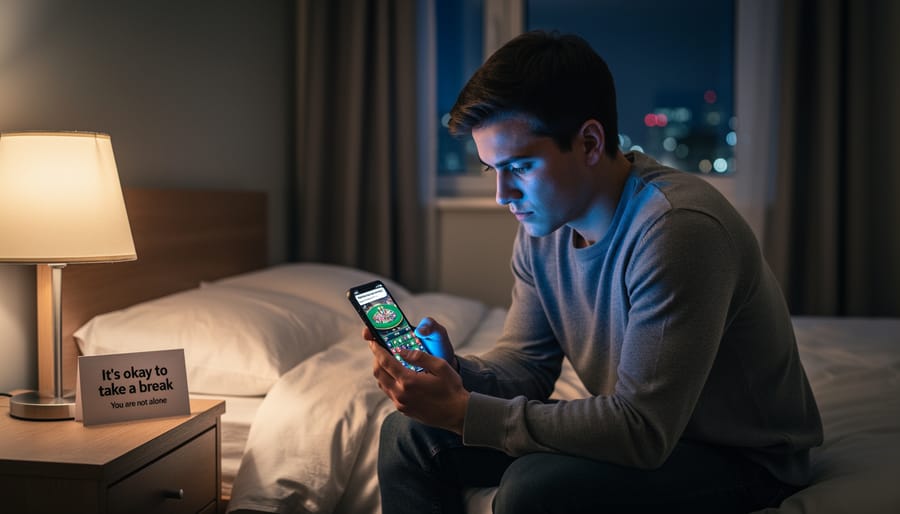
Knowing when casual gaming has crossed a line isn’t always obvious, especially when gambling can feel like a brief escape from daily stressors. If you’re part of the LGBTQI+ community, you might already be juggling minority stress, discrimination, or isolation, and sometimes online casinos become a refuge that quietly shifts into something harder to control.
Here are signs worth paying attention to. You might find yourself chasing losses, convinced the next spin will recover what you’ve spent. That pull to “get even” often leads to betting more than you planned, and the cycle can escalate quickly. Another warning sign is gambling to numb difficult emotions, grief, loneliness, anxiety, or anger. If you’re logging in primarily to escape how you’re feeling rather than for genuine entertainment, that’s a signal to pause.
Secrecy is another red flag. Hiding your gambling from partners, friends, or family suggests on some level you know it’s becoming a problem. You might downplay how much time or money you’re spending, or lie about where funds went. Similarly, borrowing money to gamble, using credit you can’t afford, or dipping into savings meant for rent or bills are clear indicators that boundaries have eroded.
Finally, notice whether gambling is crowding out other parts of your life. Are you skipping social plans, neglecting self-care, avoiding responsibilities at work or home, or losing interest in hobbies you used to love? These changes signal that gambling has shifted from recreation to something that’s taking more than it gives.
Recognizing these patterns isn’t about shame or failure. It’s about self-awareness and honoring your well-being. Identifying a problem early makes change far more manageable, and reaching out for support is always an option, you don’t have to navigate this alone.
Setting Your Boundaries Before You Play

Money Management Essentials
Set aside a fixed entertainment budget each month, money you can genuinely afford to lose without affecting rent, groceries, medications, or other essentials. Think of this amount as the cost of a night out or streaming subscription: once it’s gone, it’s gone. Never borrow, use credit cards, or dip into savings meant for bills or financial emergencies.
Understanding the house edge helps you stay grounded. Every casino game is designed with a built-in advantage for the house, meaning over time you’ll lose more than you win. That’s not pessimism, it’s math. Treat any winnings as a pleasant surprise, not income you can count on.
Payment methods matter for maintaining boundaries. Using prepaid cards or e-wallets loaded with only your gambling budget prevents impulse deposits. Avoid linking your primary bank account or credit cards directly to casino accounts, which makes it too easy to exceed your limit in the moment. Some people find success withdrawing their budget in cash first, what’s in the envelope is all they play with.
Track your spending honestly. A quick note in your phone after each session keeps you accountable and prevents the “I’m sure I haven’t spent that much” trap. If you notice yourself regularly hitting your limit and wanting more, that’s a signal to reassess.
Time and Emotional Limits
Time can slip away faster than you realize when you’re absorbed in a game, especially when emotions are running high. Before you start playing, decide how long you’ll spend and set a timer or alarm on your phone. Most reputable online casinos offer session reminders that pop up at intervals you choose, use them. When the time’s up, log off, even if you’re winning. Treating casino play as a scheduled activity with a clear endpoint, like going to a movie or meeting friends for coffee, helps keep it in the entertainment category where it belongs.
Pay attention to your emotional state before and during play. If you’re gambling to numb stress, escape loneliness, or distract yourself from difficult feelings, that’s a red flag. The relief is temporary, and the consequences can compound the problems you’re trying to avoid. Ask yourself: “Am I playing because this sounds fun right now, or because I’m trying to feel differently?” If it’s the latter, step back. Call a friend, take a walk, journal, or reach out to support resources instead.
Never gamble when you’re intoxicated, emotionally raw from a breakup or conflict, or dealing with anxiety or depression flare-ups. Substances and intense emotions cloud judgment, making it harder to stick to your limits and easier to chase losses or make impulsive bets. Responsible play means choosing moments when you’re clearheaded and genuinely looking for entertainment, not escape.
Finding LGBTQI+-Friendly and Safe Casino Platforms
Choosing where to play online means picking a platform that protects both your wallet and your well-being. Start with licensing: legitimate casinos display credentials from recognized regulators like the Malta Gaming Authority, UK Gambling Commission, or Kahnawake Gaming Commission. These licenses ensure fair play, secure transactions, and enforceable standards. Avoid unlicensed sites, no matter how attractive their bonuses look.
Check what responsible gambling tools each site offers. Deposit limits, loss limits, reality checks, session timers, and self-exclusion options aren’t just features, they’re essentials. The best platforms make these controls easy to find and activate, not buried in settings. Test this before you deposit money.
Privacy matters, especially for LGBTQI+ players who may not be out in all contexts. Look for sites with strong encryption (SSL certificates), clear privacy policies, and payment methods that respect discretion. Reputable casinos never share your data without consent and offer anonymous payment options like prepaid cards or e-wallets.
Non-discrimination policies signal whether a casino sees you as a valued customer. While most platforms don’t explicitly market to LGBTQI+ communities, reading terms of service and customer reviews reveals how they handle all players. Sites with professional support teams and zero tolerance for harassment create safer environments.
For Calgarians, payment processing can be tricky since Canadian banks sometimes block gambling transactions. Choose casinos with multiple deposit methods and transparent withdrawal policies. Check reviews from Canadian players specifically, they’ll flag hidden fees or delayed payouts.
Verification takes five minutes but prevents weeks of regret. Search the casino’s name plus “scam” or “complaints,” check online gambling forums, and confirm their license number with the issuing authority. Affirming support means trusting platforms that prove their legitimacy upfront, not discovering problems when you try to withdraw winnings.
Support Resources for LGBTQI+ Individuals
Reaching out for support isn’t admitting defeat, it’s taking control. If gambling is affecting your life, specialized resources exist that understand both the complexities of problem gambling and the unique experiences of LGBTQI+ individuals. You don’t have to navigate this alone, and you deserve care that respects your whole identity.
Canada offers several national services with trained counselors who can provide confidential, affirming support. The Problem Gambling Help Line (1-800-306-6789) operates 24/7 across Alberta and offers free counseling by phone, text, or online chat. Gambling Help Online provides similar support through their website, including self-assessment tools and moderated forums where you can connect with others facing similar challenges. Both services train staff in cultural competency and LGBTQI+ awareness.
| Organization | Support Type | Contact | LGBTQI+ Focus |
|---|---|---|---|
| Problem Gambling Help Line (Alberta) | 24/7 counseling, referrals | 1-800-306-6789 | Affirming |
| Gambling Help Online | Chat, forums, resources | Affirming | |
| Calgary Counselling Centre | In-person and virtual therapy | (403) 691-5991 | LGBTQI+-specific programs available |
| Gamblers Anonymous Calgary | Peer support meetings | Local chapters vary | Open to all, affirming |
| Centre for Sexuality | Mental health services, referrals | (403) 283-5580 | LGBTQI+-specific |
In Calgary specifically, the Calgary Counselling Centre offers sliding-scale therapy with counselors experienced in both addiction and LGBTQI+ issues. The Centre for Sexuality, while primarily focused on sexual health, can connect you with mental health professionals who understand intersectional challenges. Local Gamblers Anonymous meetings provide peer support in a judgment-free environment, check their website for current meeting times and locations.
Remember that culturally competent care matters. You have every right to ask potential counselors about their experience with LGBTQI+ clients and gambling issues. The right support acknowledges how factors like discrimination, family rejection, or minority stress might intersect with gambling behavior, without reducing you to stereotypes.
Frequently Asked Questions
Is online gambling legal in Canada and Alberta?
Is gambling legal in Canada? Yes, with some nuances. Provincial governments regulate gambling, and Alberta permits online casino play through provincially licensed platforms. While offshore casino sites operate in a gray area, they are widely accessible and not actively prosecuted for individual players.
Are LGBTQI+ people more at risk for gambling problems?
Research suggests higher rates of problem gambling in LGBTQI+ communities, linked to minority stress, discrimination, and co-occurring mental health challenges. However, identity itself is not the risk factor, rather, the cumulative effects of navigating a world that is often hostile or unwelcoming. Awareness of these patterns helps us take proactive care of ourselves.
How do I talk to a friend who might have a gambling problem?
Approach with compassion, not judgment. Express specific concerns you’ve noticed, like them borrowing money or seeming withdrawn, and ask open questions. Let them know you care and that help is available, but respect their autonomy. Sometimes planting the seed is enough for them to reflect later.
What if I’ve already developed a problem?
Recognizing the issue is a powerful first step. You are not alone, and support is available. Reach out to a helpline, counselor, or support group that understands LGBTQI+ experiences. Recovery is possible, and asking for help is an act of courage and self-respect.
Another common concern is whether someone who has struggled with gambling in the past can ever play responsibly again. The honest answer is that it depends on the individual. For some people, complete abstinence is the healthiest path, especially if gambling has caused serious harm to their finances, relationships, or mental health. For others, returning to casual play with strict boundaries and accountability measures can work, but it requires ongoing vigilance and self-awareness. There’s no shame in choosing abstinence if that’s what protects your wellbeing.
If you do decide to gamble again after a period of difficulty, consider working with a counselor or support group to develop a clear plan. This might include setting non-negotiable limits, having someone you trust monitor your activity, or committing to regular check-ins about your emotional state and motivations. Pay attention to warning signs and be willing to step back if old patterns resurface. Your wellbeing matters more than any game.
Responsible online-casino play isn’t about never having fun or denying yourself entertainment. It’s about making informed choices that honor your wellbeing, setting boundaries that reflect your values, and knowing when to reach out for support. The strategies and resources we’ve explored here are tools for empowerment, not judgment. Check in with yourself regularly, use the limits that work for you, and remember that asking for help is a sign of strength, not weakness.
Since our early days as a 90s bulletin board, A Twisted Element has been about community connection and visibility for LGBTQI+ folks in Calgary and beyond. This guide is part of that larger mission: your holistic wellness matters, whether that’s celebrating our culture, finding local resources, or making thoughtful choices about how you spend your time and money. You deserve spaces, both physical and digital, where you can be yourself safely. Take care of yourself, look out for each other, and know that support is always available when you need it.